[Science & Expertise]
Skin Types vs. Skin Conditions: What's the Difference?
Skin is not always confined to a single category. Its characteristics and needs evolve over time, influenced by the environment, lifestyle, and numerous biological factors.
8minute
Share:
Understanding Your Skin: A Useful but Sometimes Simplified Classification
In the world of skincare, it is common to classify the skin into different categories: dry skin, oily skin, combination skin, or normal skin. This classification is widely used in the cosmetic industry to guide skincare routines.
But in reality, skin is rarely so easy to define.
The skin is a living organ that constantly interacts with its environment. Its appearance and behavior can evolve under the influence of many factors: climate, pollution, fatigue, stress, sleep, or even hormonal changes.
That's why dermatologists usually distinguish between two different but complementary concepts:
skin type, which corresponds to relatively stable biological characteristics
skin condition, which describes the temporary variations that the skin can experience over time.
Understanding this distinction often allows for a more nuanced observation of the skin and for adapting care to its actual needs.
What is a Skin Type?
The skin type refers to the relatively stable biological characteristics of the skin. It primarily depends on genetic factors and the activity of the sebaceous glands, which are responsible for sebum production.
In dermatology and cosmetics, four major skin types are generally distinguished.
Normal Skin
So-called normal skin is often described as having a balance between sebum production and hydration levels.
It is generally characterized by:
a relatively even texture
barely visible pores
a comfortable skin feel.
This notion often serves as a reference to describe skin whose main functions — protection, hydration, and sebum regulation — seem balanced.
Dry Skin
Dry skin produces less sebum than necessary. Yet, sebum contributes to the formation of the hydrolipidic film, which helps protect the skin and limit water loss.
When this production is insufficient, the skin may present:
sensation of tightness
a rougher texture
increased sensitivity.
According to the American Academy of Dermatology, dry skin can be associated with an impaired skin barrier function.
Oily Skin
Oily skin is characterized by more active sebaceous glands, leading to higher sebum production.
It can present:
more noticeable shine
more visible pores
a tendency towards imperfections.
It is important to note, however, that sebum production is not directly linked to skin hydration. Oily skin can also lack water.
Combination Skin
Combination skin combines areas of the face with different levels of sebum production.
It often shows:
greater sebum production in the T-zone (forehead, nose, chin)
more comfortable or drier areas on the cheeks.
In practice, many people describe skin that does not perfectly fit a single category but combines several characteristics depending on the facial zones.
The Limits of Skin Type Classification
Classifying by skin type allows for the description of certain skin characteristics, but it does not always reflect the daily variations of the skin.
The skin is indeed influenced by numerous factors:
the climate
atmospheric pollution
UV exposure
stress
quality of sleep
certain hormonal changes.
These factors can temporarily alter the appearance and function of the skin.
This is what is known as skin conditions.
What is a Skin Condition?
Unlike skin type, a skin condition is temporary and evolving.
It describes how the skin reacts to its environment and living conditions.
Thus, a person may experience different skin conditions over time, regardless of their skin type.
In urban environments, these variations can be particularly noticeable. The skin is often exposed to a combination of factors — pollution, intense lifestyle, stress, or lack of sleep — that can affect its balance.
The Most Commonly Observed Skin Conditions
Dehydration
Dehydration refers to a lack of water in the superficial layer of the skin. It can affect all skin types.
It can manifest as:
a feeling of discomfort
a less radiant complexion
the appearance of dehydration fine lines.
According to the American Academy of Dermatology, environmental factors such as dry air or cold can promote skin dehydration.
Skin Sensitivity
Some skins exhibit a higher reactivity to external aggressions.
This sensitivity can manifest as:
redness
tingling sensations
a feeling of discomfort.
According to the European Academy of Dermatology and Venereology, skin sensitivity can be influenced by environmental, physiological, or emotional factors.
Dull Skin
Fatigue, stress, or certain environmental factors can slow down cell renewal and alter the skin's natural radiance.
The skin may then appear:
less luminous
less even
more fatigued.
Sebum Variations
Sebum production can fluctuate due to various factors, especially hormonal or environmental.
These variations can temporarily cause shinier skin or the appearance of blemishes.
A Skin that Constantly Evolves
The skin is a dynamic organ that constantly interacts with its environment.
It performs several essential functions:
protecting the body
maintaining water balance
acting as a barrier against external aggressions.
Some research suggests that environmental factors such as air pollution may contribute to certain signs of skin aging through oxidative stress mechanisms.
A study published in the Journal of Investigative Dermatology notably observed an association between chronic exposure to atmospheric particles and certain signs of extrinsic skin aging.
Observing Your Skin Rather Than Fixing It in a Category
Understanding the difference between skin type and skin condition allows for a more nuanced approach to skincare.
The needs of the skin can evolve:
depending on the time of day
depending on the level of fatigue
depending on environmental conditions
depending on lifestyle.
Observing these variations can enable adapting care to the needs of the moment rather than considering the skin as a fixed category.
Understanding Skin in Real Life
While skin types can describe certain biological characteristics, they do not always suffice to reflect how the skin behaves daily.
In real life, the skin is constantly interacting with its environment: climate, air pollution, stress, lifestyle, or sleep quality can influence its balance.
In urban environments, these variations can be particularly noticeable. The skin is often exposed to a combination of factors that can alter its comfort, hydration, or radiance.
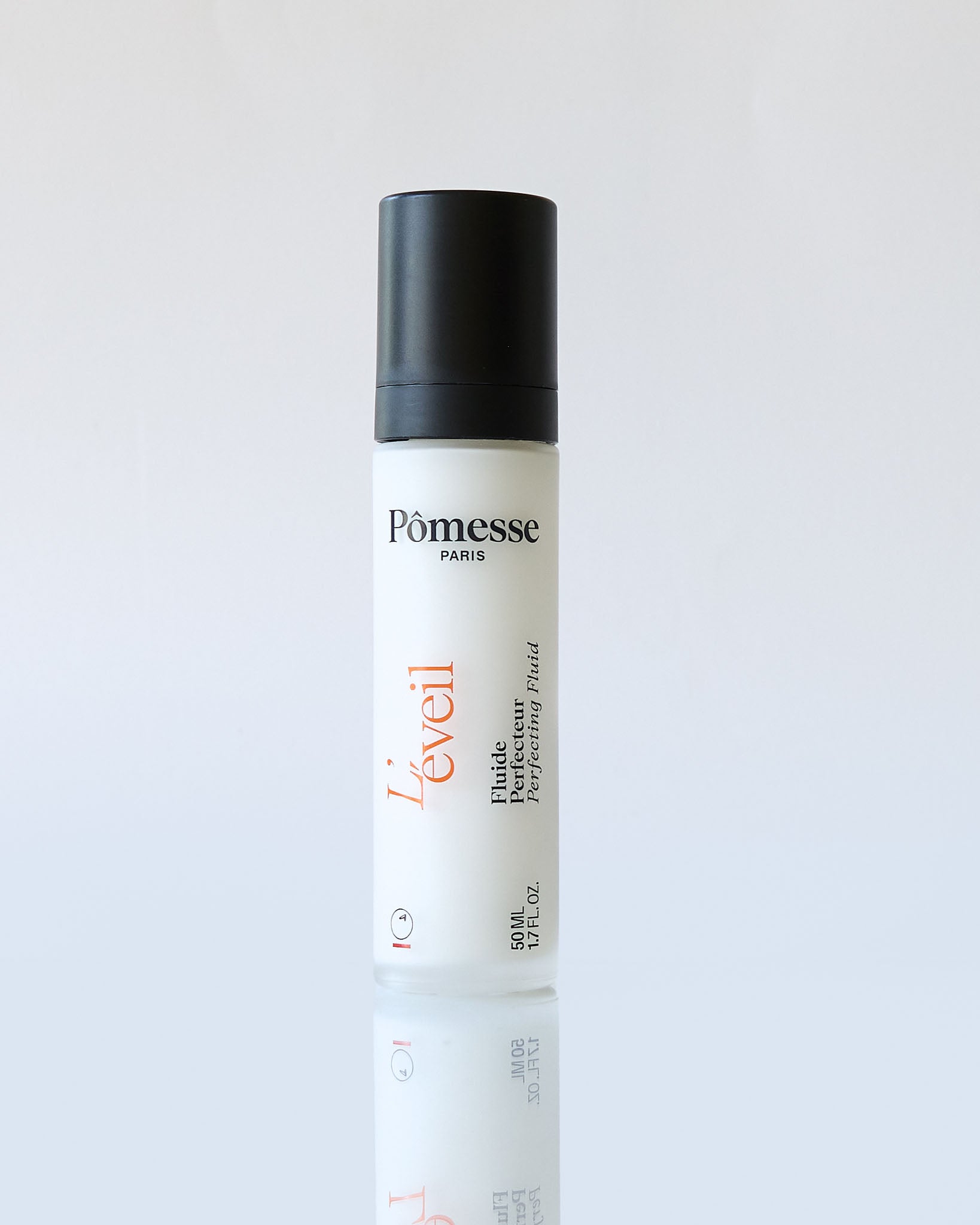
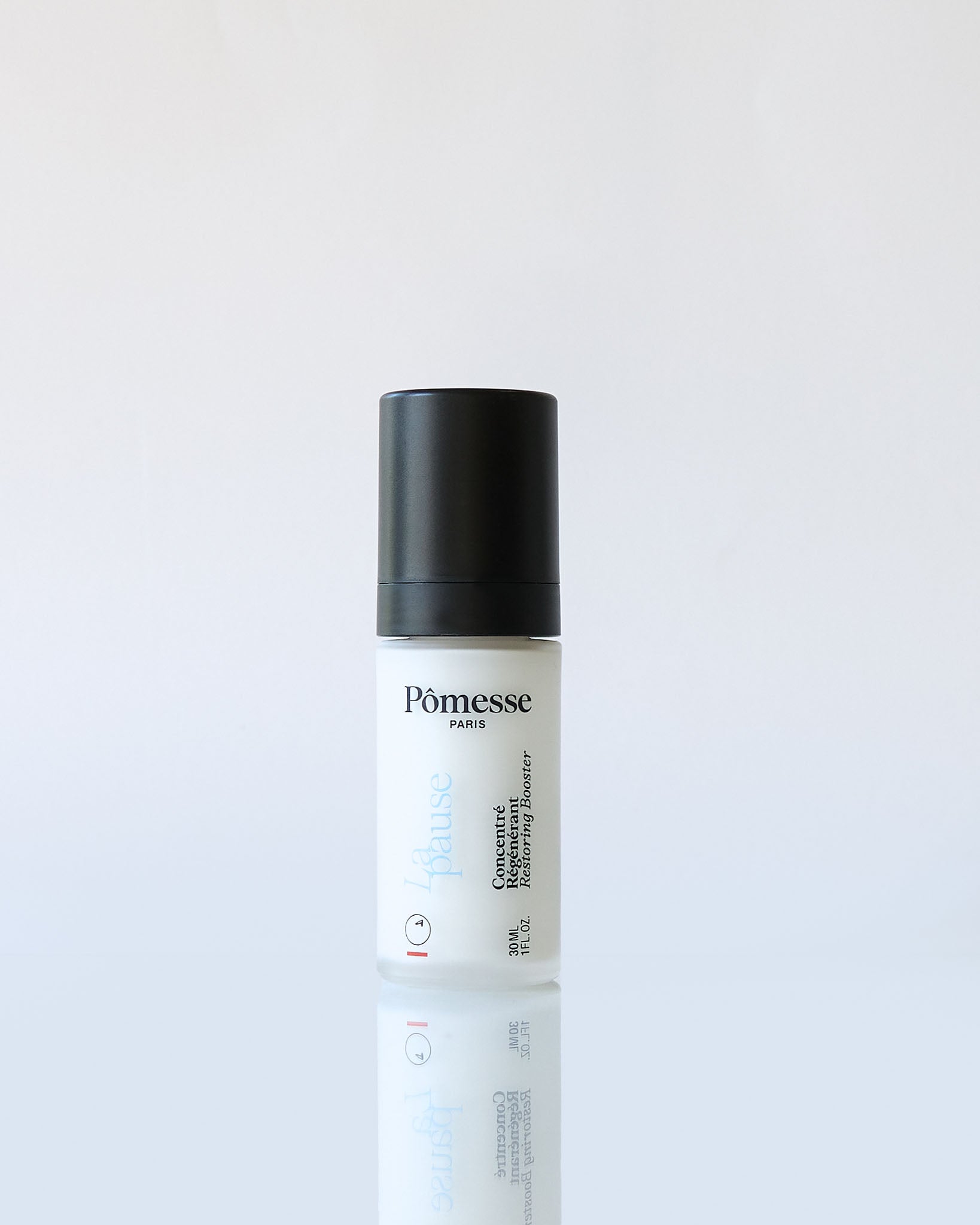
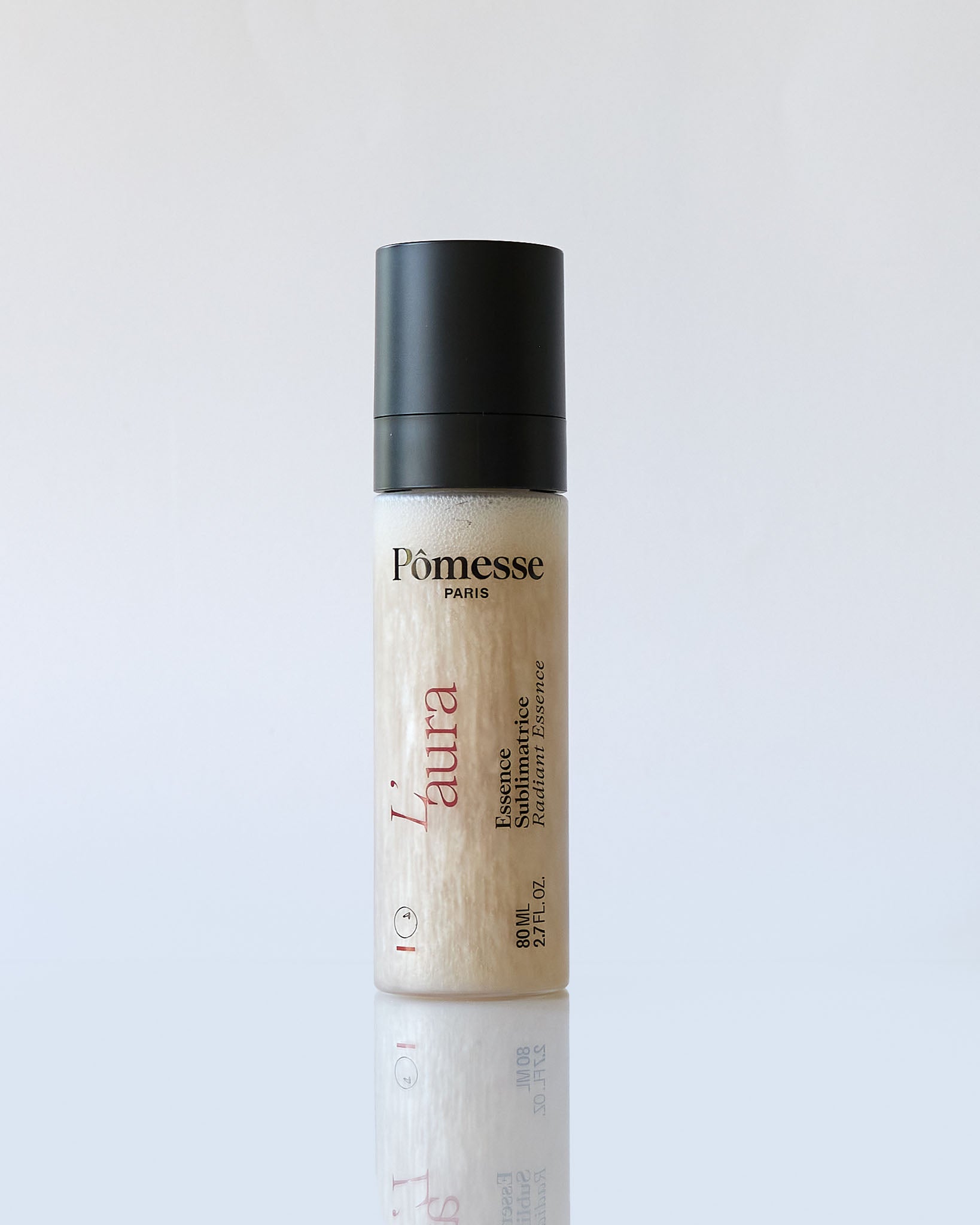
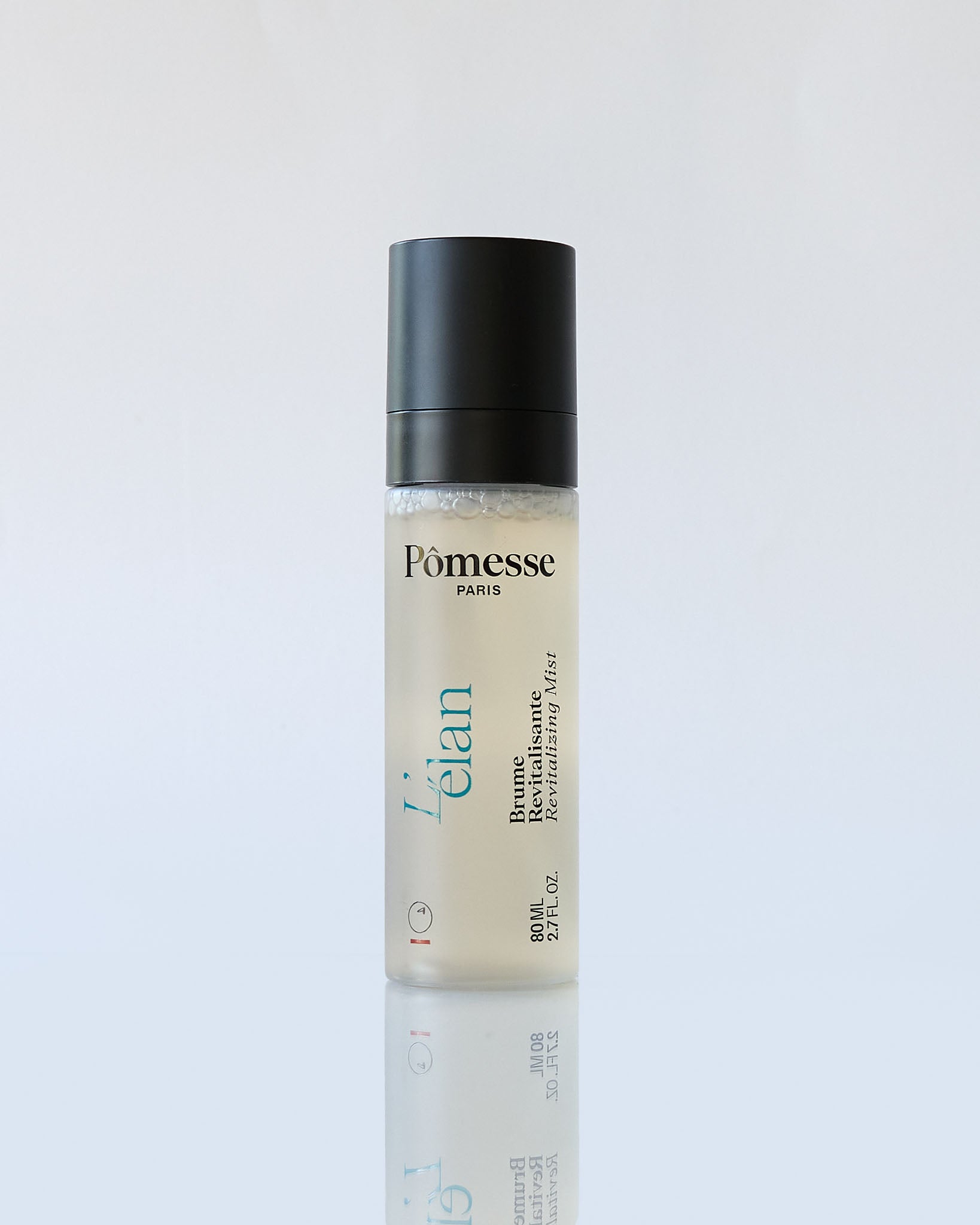
At Pômesse Paris, this observation has led to envisioning skincare differently: rather than considering the skin solely through a fixed typology, the brand focuses on the variations that the skin can experience over time and life moments.
Sources:
Académie Américaine de Dermatologie
Académie Européenne de Dermatologie et Vénérologie
Vierkötter A. et al., Exposition aux particules aériennes et vieillissement cutané extrinsèque, Journal of Investigative Dermatology, 2010
Draelos Z., Cosmetic Dermatology: Products and Procedures, Wiley-Blackwell
Your frequent questions
Can oily skin be dehydrated?
Can skin type change over time?
Why does the skin change at different times?
Designed and crafted in France
Premium Parisian cosmetics & wellness brand. Tone: elevated, refined, effortlessly chic. Never clinical or generic. Target: style-conscious, health-aware international consumers.
Complimentary delivery
Available at pickup points starting from €49
100% Secure Payment
Premium Parisian cosmetics & wellness brand. Tone: elevated, refined, effortlessly chic. Never clinical or generic. Target: style-conscious, health-aware international consumers.
14-day returns
sophistication with flair
Swift delivery
Order preparation in 24-48h